Ugandan Man Who Fathered 102 Children From 12 Wives Declares “Enough!”
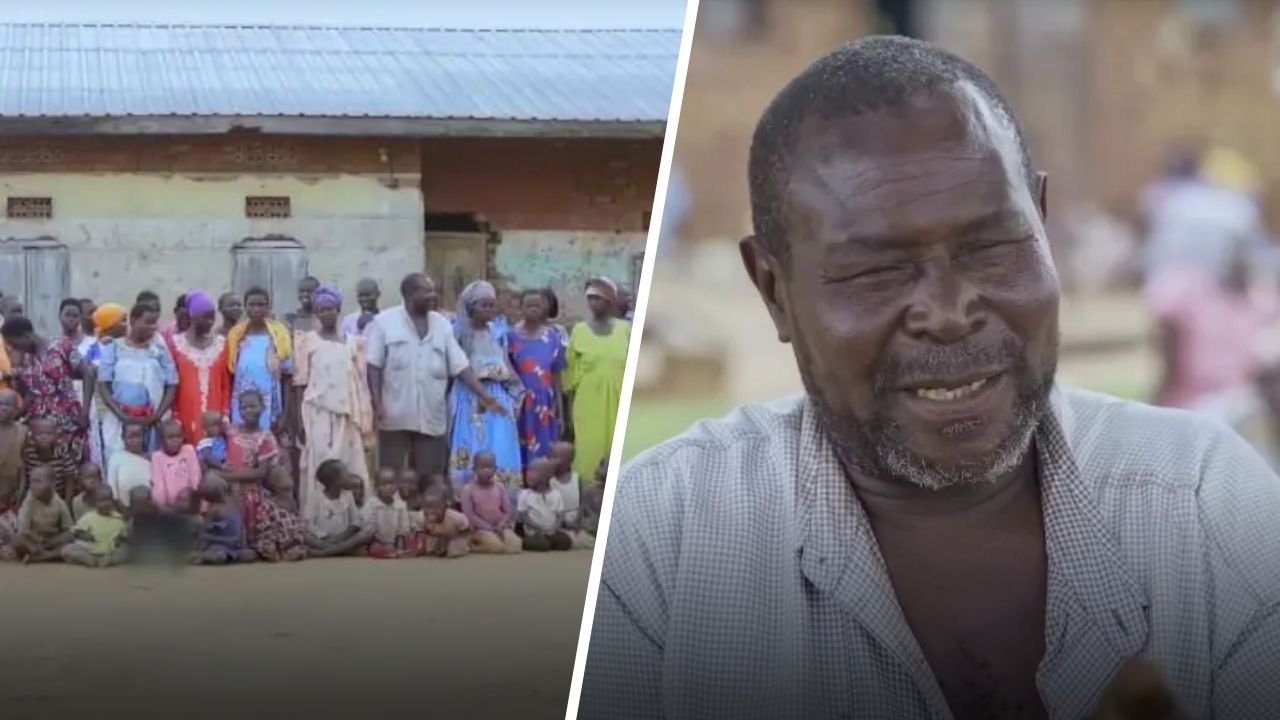
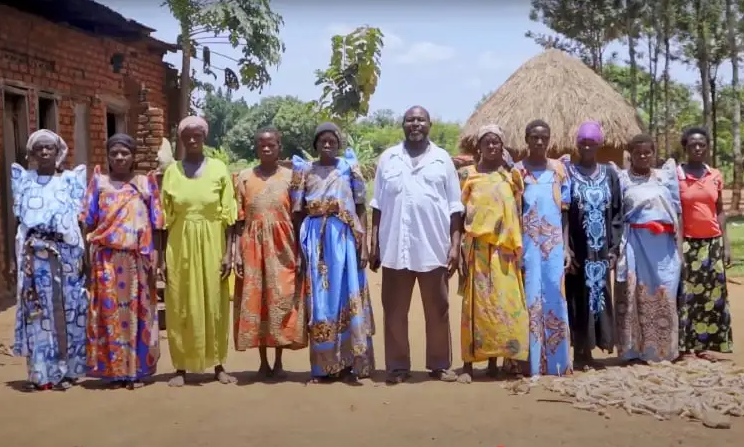
- Musa Hasahya Kasera, now 70, resides in a remote Ugandan village with a sprawling clan.
- Economic hardships force his family to survive on minimal meals and odd jobs.
- Birth control measures mark a turning point in his polygamous lifestyle.
In the dusty lanes of Bugisa village, nestled in Uganda’s eastern Butaleja district, a commanding voice echoes across mud huts and cassava fields.
It’s Musa Hasahya Kasera, a 70-year-old former cattle trader, summoning his enormous household for what might be their only meal of the day.
With 12 wives and a lineage that spans generations, Kasera’s life reads like a tale from another era, but the realities of modern rural poverty have finally caught up, prompting a dramatic shift in his approach to fatherhood and family expansion.
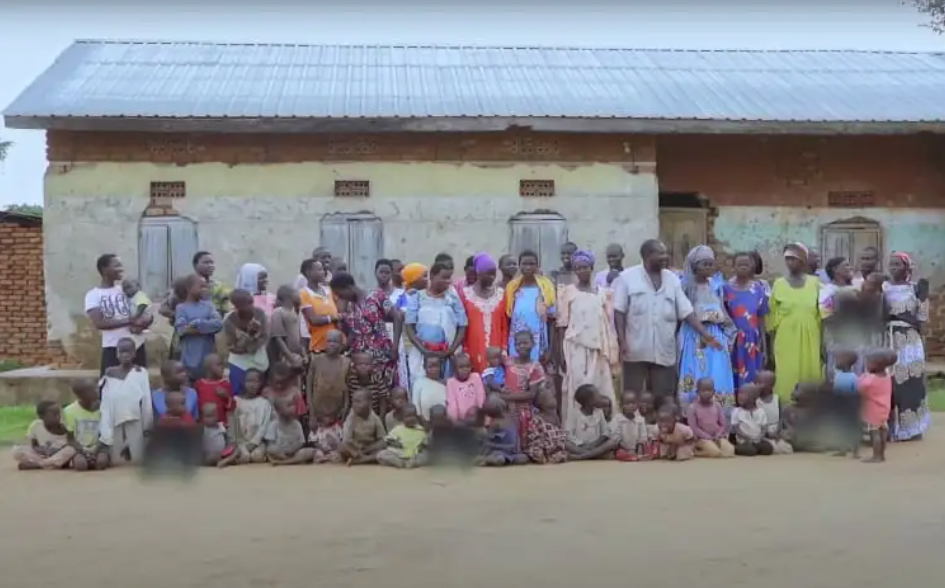
Kasera’s journey into extreme polygamy began in 1972, when, at just 17, he wed his first wife in a traditional ceremony.
Born into a small family with only one sibling, he was urged by relatives and friends to build a vast heritage through multiple marriages and numerous offspring.
As a young butcher and cattle dealer, his modest success drew villagers eager to link their daughters to him, some as young as underage by today’s standards—though child marriage wasn’t outlawed in Uganda until 1995.
Polygamy, permitted under certain religious customs in this predominantly Muslim region, became his norm, expanding his household year by year.
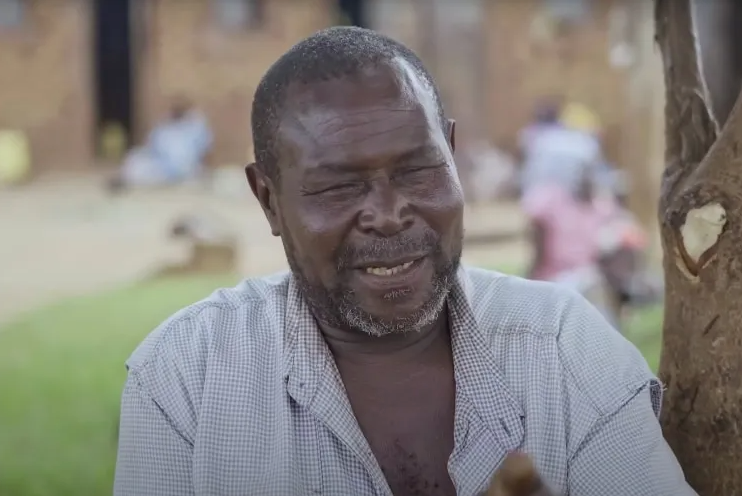
Over five decades, Kasera’s unions produced 102 children, their ages stretching from 10 to 50, creating a web of relationships so intricate that even he struggles to keep track.
He rummages through stacks of weathered notebooks to recall birth details, admitting the mothers often step in to identify their own.
The clan doesn’t stop there; 578 grandchildren add to the chaos, turning the two-acre homestead into a bustling micro-community of grass-thatched dwellings and a central, rusting iron-roofed house that’s seen better days.
Monthly family meetings attempt to quell disputes, but overcrowding has pushed three wives to relocate to a nearby town, while two others departed entirely, citing unmet needs.
Daily existence in this large family revolves around survival in Uganda’s challenging rural landscape, where agriculture dominates but yields are meager.
Women weave mats or braid hair under the shade, while men gather for card games beneath acacia trees.
Children and adults alike trek miles for firewood and water, or perform chores for neighbors to earn scraps of food or cash.
Crops like rice, cassava, and coffee provide the basics, but with soaring inflation and limited land, meals are sparse—often just boiled cassava once or twice daily.
Kasera’s third wife, Zabina, about 35 and among the youngest, recalls arriving with hopes of stability, only to watch the household balloon further.
She resigned to her fate as more wives joined, but now voices the strain: the constant hunger, the scramble for resources.
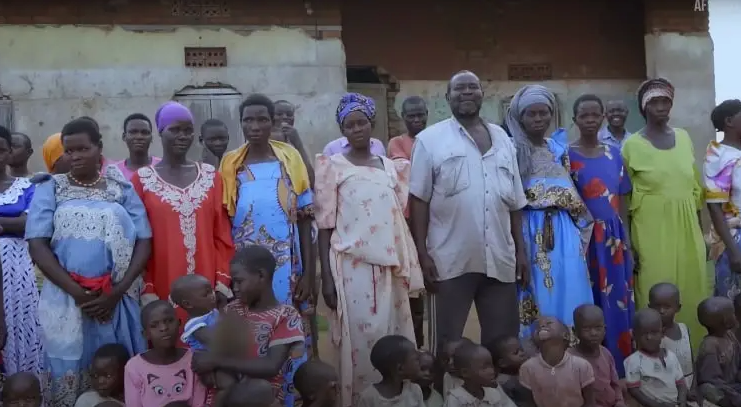
What started as a badge of pride—expanding the family legacy—has morphed into a burdensome reality.
Kasera, whose health is waning, reflects on his path with a mix of regret and acceptance.
He once thrived in livestock trade, but unemployment has left him reliant on the clan’s collective efforts.
Visitors now trickle in, drawn by tales of this extraordinary polygamist, turning Bugisa into an unlikely spot for curious outsiders.
Yet, beneath the spectacle lies a stark illustration of Uganda’s demographic pressures.
The country boasts one of Africa’s highest fertility rates, averaging about 5.2 children per woman as of recent estimates, fueling a population surge from 45 million in 2020 to projections nearing 50 million by mid-decade.
In rural areas like Butaleja, where poverty rates hover around 35%, large families exacerbate resource scarcity, straining education, healthcare, and nutrition systems.
Kasera’s story underscores the evolving conversation around contraception and reproductive health in Uganda, where government campaigns promote family planning to curb rapid growth.
Access to birth control has improved, with usage rising to nearly 40% among married women, but cultural norms favoring big broods persist in polygamous communities.
For Kasera, the tipping point came amid these hardships, leading to a pivotal choice that challenges traditional views on manhood and progeny.
| Key Fact | Detail |
|---|---|
| Age of Musa Hasahya Kasera | 70 |
| Number of Wives | 12 (10 currently living with him or nearby) |
| Number of Children | 102 (ages 10-50) |
| Number of Grandchildren | 578 |
| Location | Bugisa village, Butaleja district, eastern Uganda |
| Primary Occupation (Former) | Cattle trader and butcher |
| Land Owned | 2 acres |
| Daily Meals for Family | 1-2 times, often boiled cassava |
| Family Planning Measure | Wives on contraceptives |
This decision didn’t come lightly. Kasera openly labels his prolific fatherhood as “irresponsible,” a rare admission in a society where male virility is often celebrated.
He insists his remaining wives share affection for him, pointing to their loyalty amid adversity.
But whispers of discontent surface—Zabina hints at the relentless additions to the family, wondering how different life might have been with fewer rivals for attention and sustenance.
Local officials praise his ability to maintain order, noting no theft or major conflicts in the clan, a testament to his authoritative presence.
As Uganda grapples with climate impacts on agriculture—droughts and floods that hit smallholders hardest—Kasera’s predicament mirrors thousands of households teetering on the edge.
His shift toward contraception signals a personal revolution, but it raises questions about support systems: Will government programs reach such isolated villages?
How do cultural shifts in polygamy influence youth considering similar paths?
Kasera’s son, Shaban Magino, a 30-year-old teacher, helps document the family tree, hinting at generational changes where education might prioritize quality over quantity in child-rearing.
WATCH!
In quiet moments, Kasera ponders the legacy he built, from the laughter of grandchildren to the gnawing worry of tomorrow’s meal.
With birth control in place, the clan’s growth halts, but the future looms uncertain—what new trials await this unparalleled Ugandan dynasty as the world watches?