How Michael Clarke Duncan Escaped Hollywood Typecasting and Became John Coffey
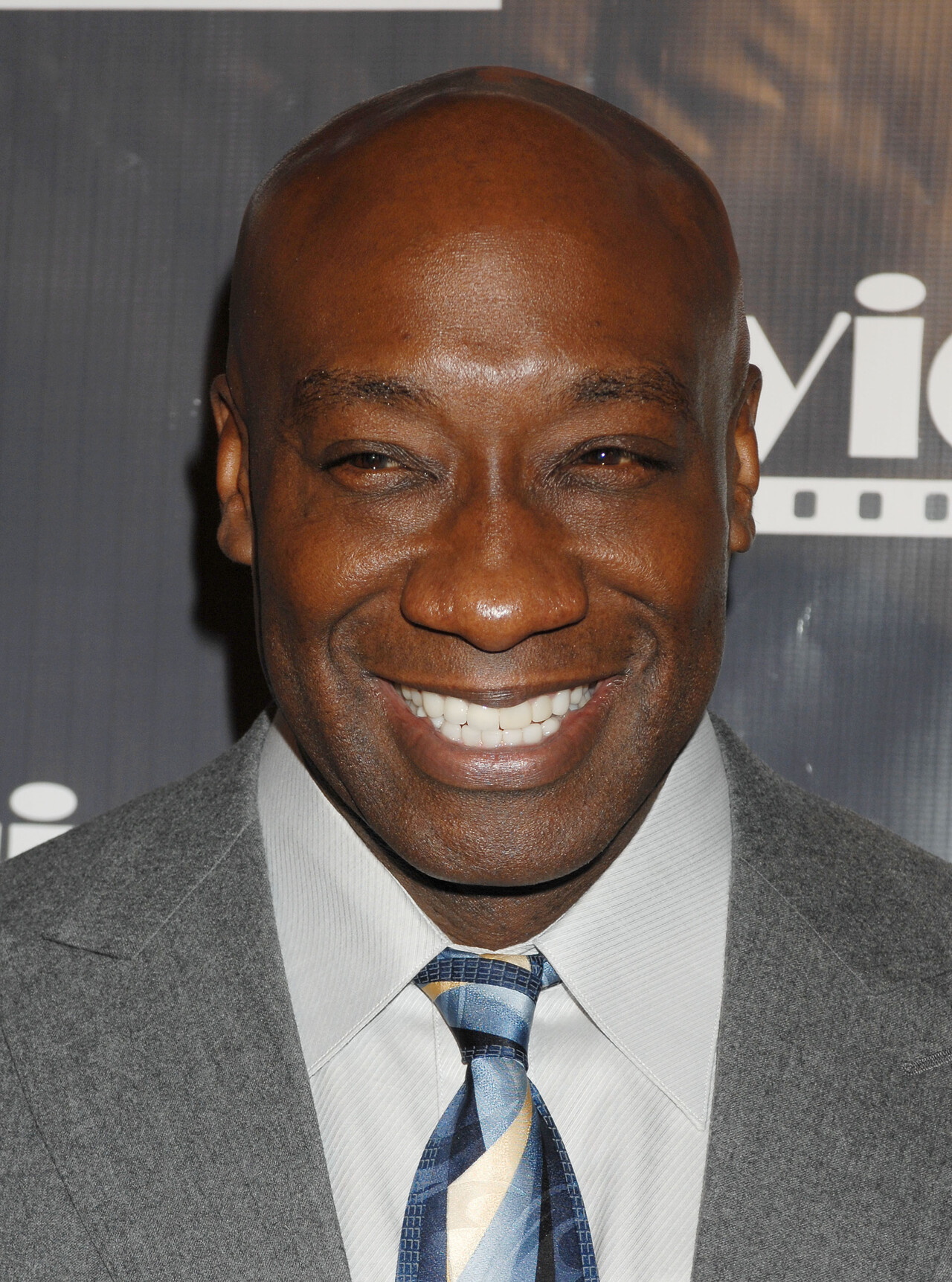
- Only a few years before his Oscar nomination, Michael Clarke Duncan was still earning a living in security while trying to break into acting.
- Armageddon gave him the contact that mattered most. Bruce Willis later pushed his name toward Frank Darabont for John Coffey.
- The Green Mile changed what casting directors could see in Duncan by turning the contrast between his size and his gentleness into the center of the performance.
Three years before the Academy Awards recognized Michael Clarke Duncan, he was still close enough to his old life that a Washington Post profile described him as a former Hollywood security guard who had only recently begun acting.
By March 2000, he was sitting among the nominees for Best Supporting Actor. The distance between those two lives was short in years and enormous in everything else.
Duncan was 6 feet 5 inches tall and weighed well over 300 pounds during the period when Hollywood first noticed him. That made him easy to cast and difficult to see clearly.
Early jobs asked him to be a bouncer, a guard, a bodyguard, or a threatening man who could fill a doorway. The same body that kept paying his bills also threatened to define the limits of his career.
Then one role asked for something else. John Coffey in The Green Mile was physically imposing, but the performance depended on fear, tenderness, grief, restraint, and innocence.
Duncan had spent years watching strangers form opinions about him before he spoke. Suddenly that experience was useful in a way that muscle alone could never be.
The Four Letters Duncan Carried Out of Chicago
Michael Clarke Duncan was born on December 10, 1957, and grew up on Chicago’s South Side.
His father left when he was a child. His mother, Jean, raised Michael and his sister Judith and tried to keep him away from the gangs, drugs, and trouble that could close off choices early.
Duncan later recalled one of her simplest lessons as four letters: YCDA, meaning “You Can Do Anything.”
He did not move directly from childhood dreams to Hollywood. Duncan attended Alcorn State University in Mississippi and studied communications, but he left before graduating when his mother became ill and the family needed support.
That decision put acting farther away. It also began the long period in which physical work paid the bills while acting stayed mostly in conversation.
.jpg "How Michael Clarke Duncan Escaped Hollywood Typecasting and Became John Coffey 13")
Back in Chicago, Duncan worked for the gas company and also took jobs as a nightclub bouncer.
His co-workers heard so much about his plan to become an actor that they gave him a nickname: “Hollywood Mike.” The joke worked because his daily life looked nothing like Hollywood.
He was digging ditches, moving through night work, and supporting family obligations while continuing to talk about a destination he had not yet reached.
.jpg "How Michael Clarke Duncan Escaped Hollywood Typecasting and Became John Coffey 14")
Hollywood Kept Hiring the Man He Was Trying to Stop Being
Duncan eventually reached Los Angeles after working security for a touring stage production. Once there, security remained the practical way to survive.
He became a bodyguard for entertainers including Will Smith, Martin Lawrence, Jamie Foxx, and LL Cool J while taking small acting jobs whenever he could get them.
The pattern in those first roles was obvious. In Friday, Bulworth, A Night at the Roxbury, and The Players Club, his size was part of the point.
Casting directors did not need much imagination to place a 300-pound former bodyguard in another security role.
Duncan was getting onto sets, which mattered, but the work could easily have become a loop in which the job that helped him enter Hollywood also decided what Hollywood thought he could do.
Real security work supplied a more serious reason to leave that life. Duncan said he had been scheduled to protect the Notorious B.I.G. on March 9, 1997, but switched assignments with another guard and worked for Babyface instead.
The rapper was shot and killed in Los Angeles that night. Duncan later said the episode made the danger of bodyguard work impossible to ignore. He quit professional security and put more of his effort into acting.
Armageddon Gave Him a Test He Nearly Failed
The break that changed the direction of Duncan’s career arrived with Michael Bay’s Armageddon in 1998. Duncan played Bear, one of the drillers recruited for a mission to stop an asteroid.
It was a larger role than the bouncers and guards that had filled much of his early résumé, but Bay later remembered that Duncan’s first day on set went badly enough to make the director worry about whether he had cast the right man.
Bay did not replace him. Instead, he urged Duncan to bring the warmth and personality from his audition into the performance.
Duncan watched the more experienced actors around him, including Bruce Willis, Ben Affleck, and Steve Buscemi. Bay later said Duncan became the most improved actor on the production.
That improvement mattered beyond one movie because Willis was paying attention.

Bruce Willis Saw a Part Hollywood Had Not Been Giving Him
When Frank Darabont prepared to film Stephen King’s The Green Mile, the role of John Coffey presented an unusual casting problem.
Coffey had to look capable of frightening everyone who saw him while behaving in ways that steadily overturned that first impression.
The character’s size mattered, but the story would fail if the actor could not make gentleness believable.
Willis recommended Duncan. The introduction opened the door, but it did not settle the casting. Darabont auditioned Duncan several times.
He later recalled that Duncan was still inexperienced, yet improved each time he returned.
What stayed with the director was less the physical spectacle than the quality behind it, the sense that the man in the room carried the same unexpected softness that the role required.
Duncan understood the contradiction without needing it explained to him. He had spent years being hired because strangers saw his frame first.
John Coffey begins from the same problem. Guards and prisoners react to a giant Black man before they understand anything about him.
The role gave Duncan a chance to use the assumptions that had limited his career as part of the emotional machinery of the film.
Four Auditions Led to One Academy Award Nomination
The Green Mile opened in December 1999. Duncan’s performance did more than make him recognizable.
It changed the professional category in which he was being considered. At the 72nd Academy Awards, Duncan was nominated for Best Supporting Actor, one of four nominations received by the film. He also received a Golden Globe nomination.
The nomination mattered because Duncan had reached it without the long formal training or gradual prestige résumé usually associated with an awards contender.
He had spent much of the decade earning money by standing beside famous people and taking roles that depended on looking formidable. Now his biggest success depended on persuading an audience to look past exactly that.

The success did not free him completely from physical casting. Hollywood still found uses for the giant.
He played Kingpin in Daredevil in 2003 and Mathayus’s adversary Balthazar in The Scorpion King in 2002. Yet the range widened.
He traded comic threats with Bruce Willis in The Whole Nine Yards, appeared in Sin City, and built a second career from the deep voice that had always made him instantly recognizable.
Animation and voice work included Brother Bear and Commander Vachir in Kung Fu Panda.
Television continued as well. In 2012 he played Leo Knox in The Finder, a regular role that arrived when he was still looking for parts that could show more of his personality.
In a 2011 interview, Duncan said one thing he had not yet done was lead a romantic comedy. He wanted the audience to see his comic side and watch him get the woman at the end.
It was a modest ambition compared with an Oscar nomination, but it showed the same frustration that had followed him from the beginning. There were still versions of Michael Clarke Duncan that casting directors had not seen.
The Final 52 Days
Early on July 13, 2012, Duncan suffered a heart attack. Reports at the time said he underwent CPR before being taken to a Los Angeles hospital.
His publicist initially said he had been stabilized and that there was hope for a full recovery. By early August he had moved out of intensive care but remained hospitalized.
The recovery never came. Duncan died at Cedars-Sinai Medical Center on September 3, 2012, 52 days after the heart attack. He was 54. His fiancée, Omarosa Manigault, had remained close during the hospitalization.
After his death she said she was devastated and called him the love of her life.
The responses from former colleagues returned repeatedly to the same contradiction that had made John Coffey work.
Frank Darabont remembered decency and kindness. Bruce Willis called Duncan a great actor and a dear friend.
Tom Hanks, who had spent The Green Mile watching John Coffey overturn every assumption made about him, described Duncan as the treasure the cast had discovered on the set.
There is an irony in where Duncan’s career finally changed. Hollywood had spent years paying him to look like the most dangerous man in the room.
The role that made him an Academy Award nominee required an audience to discover the opposite. By the time Hanks called him a treasure, that discovery had become the part of Michael Clarke Duncan that people remembered first.