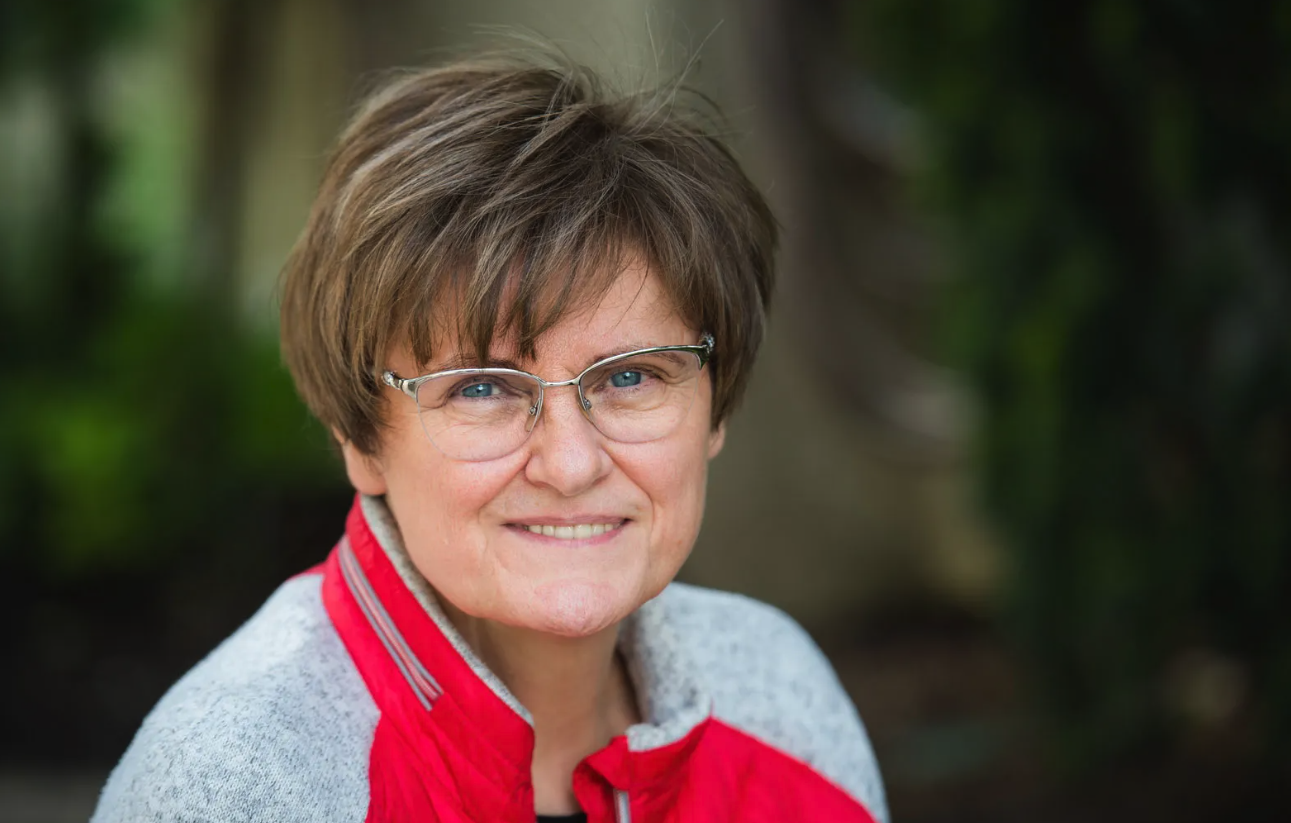
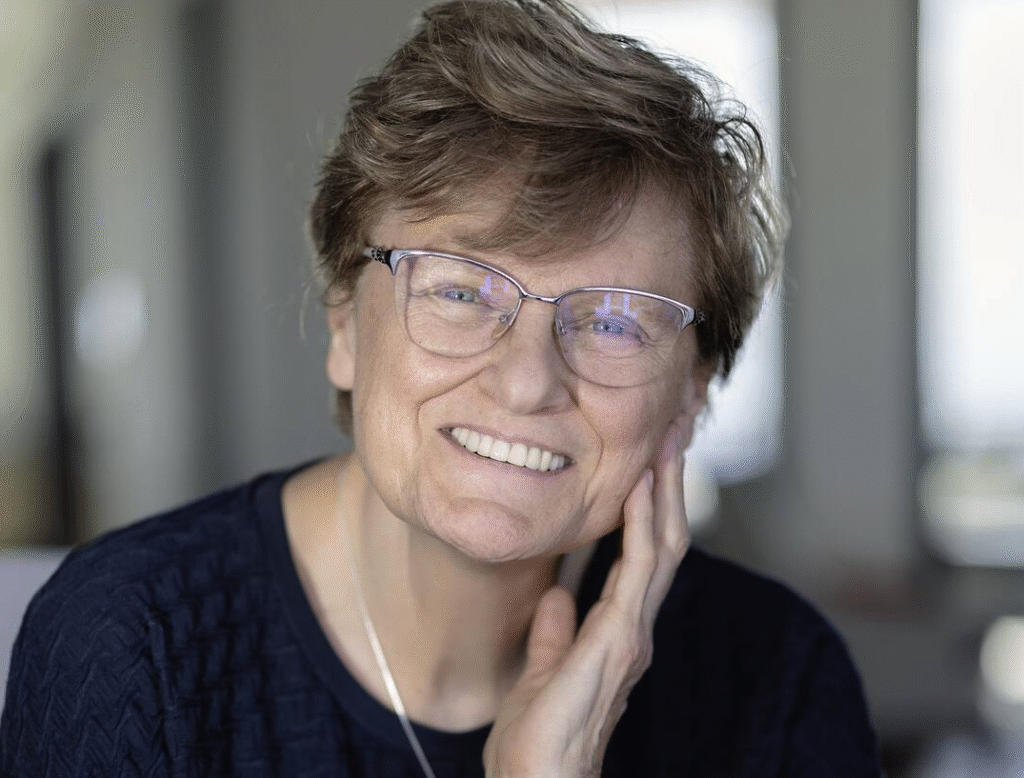
Katalin Karikó: mRNA Pioneer Behind 13 Billion COVID Vaccine Doses and 2023 Nobel Win
- Emigrated from Hungary in 1985, smuggling £900 in daughter’s teddy bear.
- Co-discovered mRNA modifications in 2005 after years of rejections.
- Awarded over 130 honors, including 2023 Nobel for saving millions of lives.
By December 2025, mRNA technology developed by Katalin Karikó has enabled the administration of over 13 billion COVID-19 vaccine doses globally, a staggering figure that underscores how one immigrant scientist’s persistence transformed modern medicine.
Katalin Karikó entered the world on January 17, 1955, in Szolnok, Hungary, a modest town where her father worked as a butcher and her mother managed accounts as a bookkeeper.
The family lived in Kisújszállás, a rural setting without basic amenities like running water or electricity, conditions that shaped her early resilience amid the constraints of communist-era life.
Her father’s involvement in the 1956 Hungarian Revolution led to his punishment, forcing him into manual labor and instilling in young Katalin a quiet determination to pursue knowledge despite adversity.
She excelled in school, placing third in a national biology competition during her primary years and dominating chemistry and biology contests by eighth grade, achievements that highlighted her innate scientific talent in a system where opportunities for women in STEM remained limited.
Her academic path began at the University of Szeged, where she earned a bachelor’s degree in biology in 1978 and a doctorate in biochemistry in 1982, focusing on RNA under the guidance of Jenő Tomasz.
During this time, she conducted groundbreaking experiments on RNA’s antiviral properties, publishing her first paper on the subject and laying the groundwork for her lifelong fascination with messenger RNA as a therapeutic tool.
From 1978 to 1985, she held a postdoctoral position at the Hungarian Academy of Sciences’ Biological Research Center in Szeged, where she honed her skills in RNA synthesis but faced increasing funding shortages under the regime’s economic pressures.
What pressures from the Hungarian secret police, who listed her as an intelligence asset due to her father’s history, might have influenced her decision to leave everything behind?
In 1985, at age 30, Karikó made the bold move to the United States with her husband, Béla Francia, an engineer, and their two-year-old daughter, Susan.
To evade currency restrictions, they sold their car on the black market and concealed the equivalent of £900 inside Susan’s teddy bear, a risky maneuver that represented their entire savings.
Landing in Philadelphia, Karikó secured a postdoctoral fellowship at Temple University, where she delved into clinical trials using double-stranded RNA to treat conditions like AIDS and chronic fatigue syndrome, contributing to early understandings of RNA’s immune-modulating potential.
Yet challenges mounted quickly; by 1988, a dispute with her supervisor, Robert Suhadolnik, escalated when he allegedly reported her to immigration authorities over visa issues, nearly resulting in deportation and causing a job offer from Johns Hopkins University to be rescinded after she hired legal counsel to fight the claims.
Undeterred, Karikó transitioned to a role at the Uniformed Services University of the Health Sciences in Bethesda, Maryland, from 1988 to 1989, researching interferons and their role in cellular signaling.
This brief stint provided valuable insights into immunology, a field that would later intersect with her mRNA work.
In 1989, she joined the University of Pennsylvania as an adjunct researcher in the cardiology department, collaborating with Elliot Barnathan on mRNA’s potential for gene therapy.
Their 1990 grant proposal outlined mRNA as a vehicle for protein production in cells, an idea ahead of its time when most scientists dismissed RNA due to its instability—degrading within minutes in the body and triggering unwanted immune responses.
How did her early experiments with liposomal delivery systems foreshadow the lipid nanoparticles that would become crucial for vaccine success?
Throughout the 1990s, funding eluded her; over a dozen grant applications were rejected annually, reflecting the academic community’s skepticism toward mRNA therapeutics, which at the time had a failure rate exceeding 90 percent in preclinical trials.
In 1995, amid a cancer diagnosis and her husband’s prolonged visa delays stranding him in Hungary for six months, Penn issued an ultimatum: shift to more conventional research or face demotion from the tenure track.
Karikó chose to persist with mRNA, accepting a salary reduction that placed her earnings below some technicians—dropping to around $40,000 annually, far below the average for biochemists at $60,000.
Further demotions followed in 1997, 2001, and 2005, each time eroding her status but not her conviction that mRNA could instruct cells to produce therapeutic proteins, potentially treating everything from genetic disorders to infectious diseases.
A pivotal encounter occurred in 1997 at a Penn photocopier, where Karikó met immunologist Drew Weissman, then developing dendritic cell-based HIV vaccines.
Their conversation sparked a collaboration; Karikó supplied custom mRNA, while Weissman’s expertise addressed immune barriers.
Working with minimal resources—often funding experiments from their own pockets—they published initial findings on mRNA’s inflammatory effects.
By 2005, after eight years of iterative testing, they identified a key modification: replacing uridine with pseudouridine, a naturally occurring nucleoside, to evade immune detection.
This tweak reduced inflammation by up to 95 percent in animal models, making mRNA viable for clinical use.
Their seminal paper, submitted to top journals like Nature and Science, faced rejections before appearing in Immunity, citing over 200 references and detailing how modified mRNA could encode proteins without triggering Toll-like receptors.
Despite the breakthrough, recognition lagged; the paper garnered only 500 citations in its first five years, compared to thousands for contemporary gene therapy works.
In 2006, Karikó co-founded RNARx, a startup aimed at commercializing mRNA tech, serving as CEO until 2013 and securing patents for nucleoside-modified RNA that would later underpin billions in vaccine revenue.
Yet at Penn, her position remained precarious; by 2013, at age 58, she was effectively forced out, with the university declining to promote her despite her 150-plus publications, including influential works like the 2008 Molecular Therapy article on pseudouridine’s role in enhancing translation efficiency, which improved protein output by 10-fold.
Turning to industry, Karikó joined BioNTech in Mainz, Germany, as vice president in 2013, commuting transatlantically while maintaining a lab presence.
Promoted to senior vice president in 2019, she oversaw mRNA programs for cancer and infectious diseases, collaborating on over 40 preclinical candidates.
Her work directly informed BioNTech’s partnership with Pfizer, accelerating the BNT162b2 vaccine’s development.
What internal doubts might she have harbored during those commutes, knowing her daughter Susan had by then won two Olympic gold medals in rowing for the U.S. in 2008 and 2012, a source of family pride amid professional isolation?
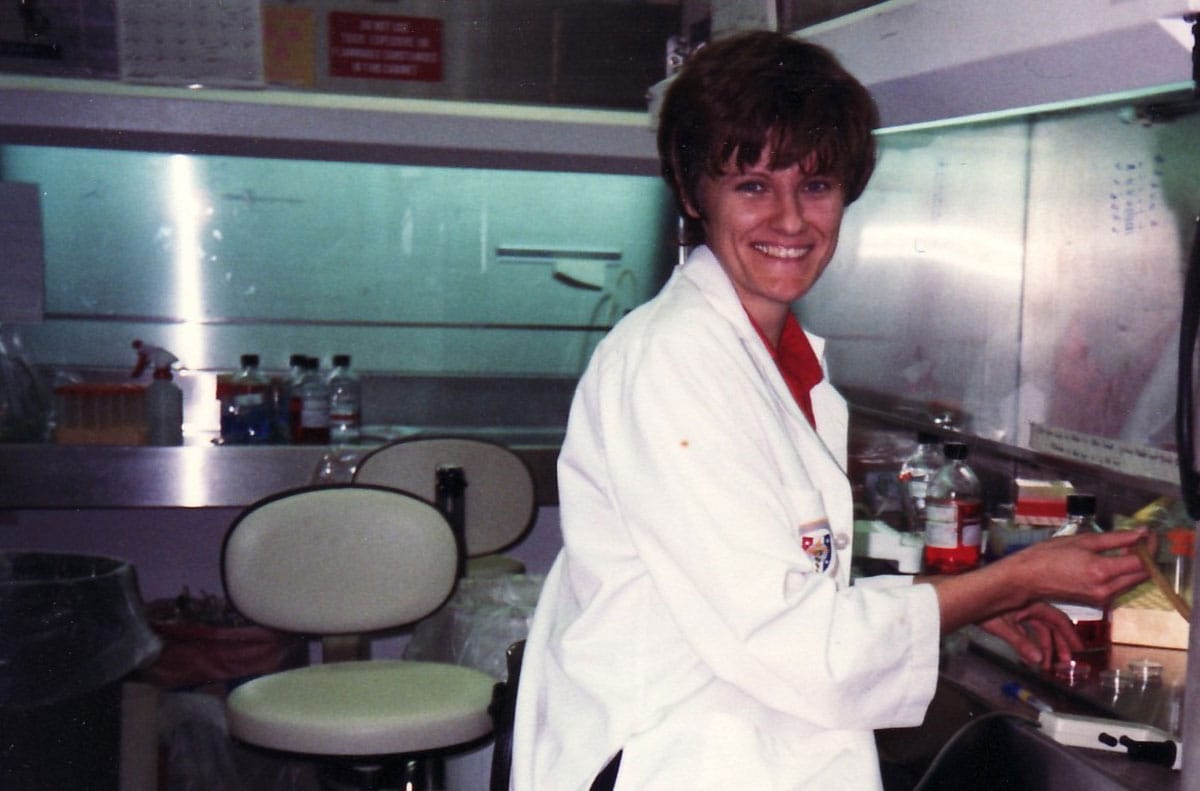
The 2020 SARS-CoV-2 outbreak thrust her innovations into the spotlight.
BioNTech and Moderna’s vaccines, both utilizing lipid nanoparticle-encapsulated modified mRNA, achieved over 90 percent efficacy in Phase III trials involving 70,000 participants combined, a speed unprecedented in vaccine history—developed in under a year compared to the typical 10-15 years.
By mid-2025, these platforms have facilitated not only COVID-19 shots but also exploratory therapies for influenza, Zika, and personalized cancer vaccines, with BioNTech reporting over €18 billion in 2021 revenue alone from the technology.
Karikó’s patents, licensed to both companies, have generated royalties exceeding $1 billion, though she donated significant portions, including $500,000 from her Nobel winnings to the University of Szeged in 2024.
On October 2, 2023, the Nobel Committee awarded her and Weissman the Prize in Physiology or Medicine for discoveries enabling mRNA vaccines, citing their work’s role in averting an estimated 20 million COVID-19 deaths globally by 2023.
The announcement came amid over 130 accolades, from the 2021 Lasker-DeBakey Award—often a Nobel precursor—to the 2022 Tang Prize worth $1.2 million and the 2024 Paul Karrer Medal.
In 2024, Time magazine named her among the 100 most influential people, and she was inducted into the National Inventors Hall of Fame, recognizing her 10 U.S. patents that revolutionized biotechnology.
Post-Nobel, Karikó resigned from BioNTech in 2022 to focus on advisory roles, including professorships at Szeged and an adjunct position at Penn, which finally honored her contributions.
Her 2023 autobiography, Breaking Through: My Life in Science, became a bestseller in Hungary with over 50,000 copies sold, translated into nine languages and earning the 2024 Libri Literary Prize and 2025 ASIMOV Award for scientific writing.
In November 2024, she lectured at Temple University, reflecting on persistence to an audience of 500 aspiring researchers, and in May 2025, delivered the Mendel Lecture at the European Society of Human Genetics, discussing mRNA’s future in treating rare diseases affecting 300 million people worldwide.
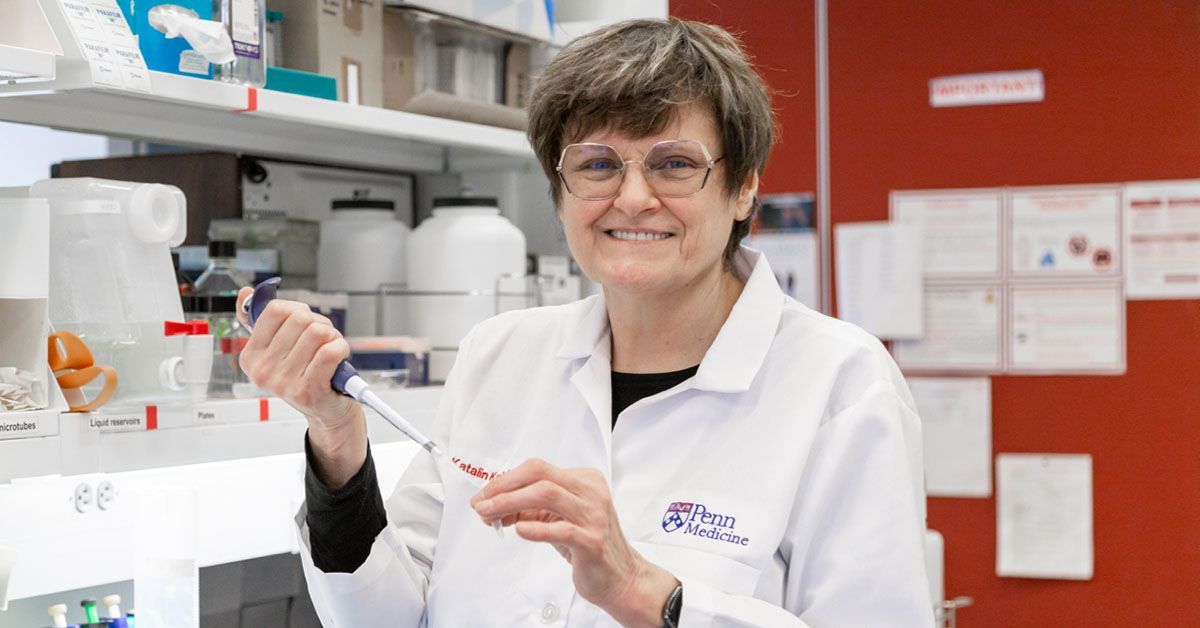
Her family life provided grounding; married to Béla since the 1970s, they welcomed a grandson in February 2021, born to Susan and her husband, architect Ryan Amos.
Susan’s athletic success, including world championships in 2009 and 2011, mirrored her mother’s endurance, with Karikó often attending races despite her demanding schedule.
In 2025, she was elected to the U.S. National Academy of Sciences, joining an elite group where women comprise only 25 percent of members, for her mRNA advancements that have spurred over 1,000 clinical trials in gene editing and immunotherapy.
Yet questions persist about the untapped potential of her early Hungarian research on cyclic nucleotides, detailed in her 1982 thesis, and how those foundations might unlock new frontiers in autoimmune treatments, where mRNA could modulate responses in conditions affecting 50 million Americans.
As biotechnology firms invest $50 billion annually in RNA-based drugs, what overlooked experiments from her demoted years at Penn hold the key to the next medical revolution?